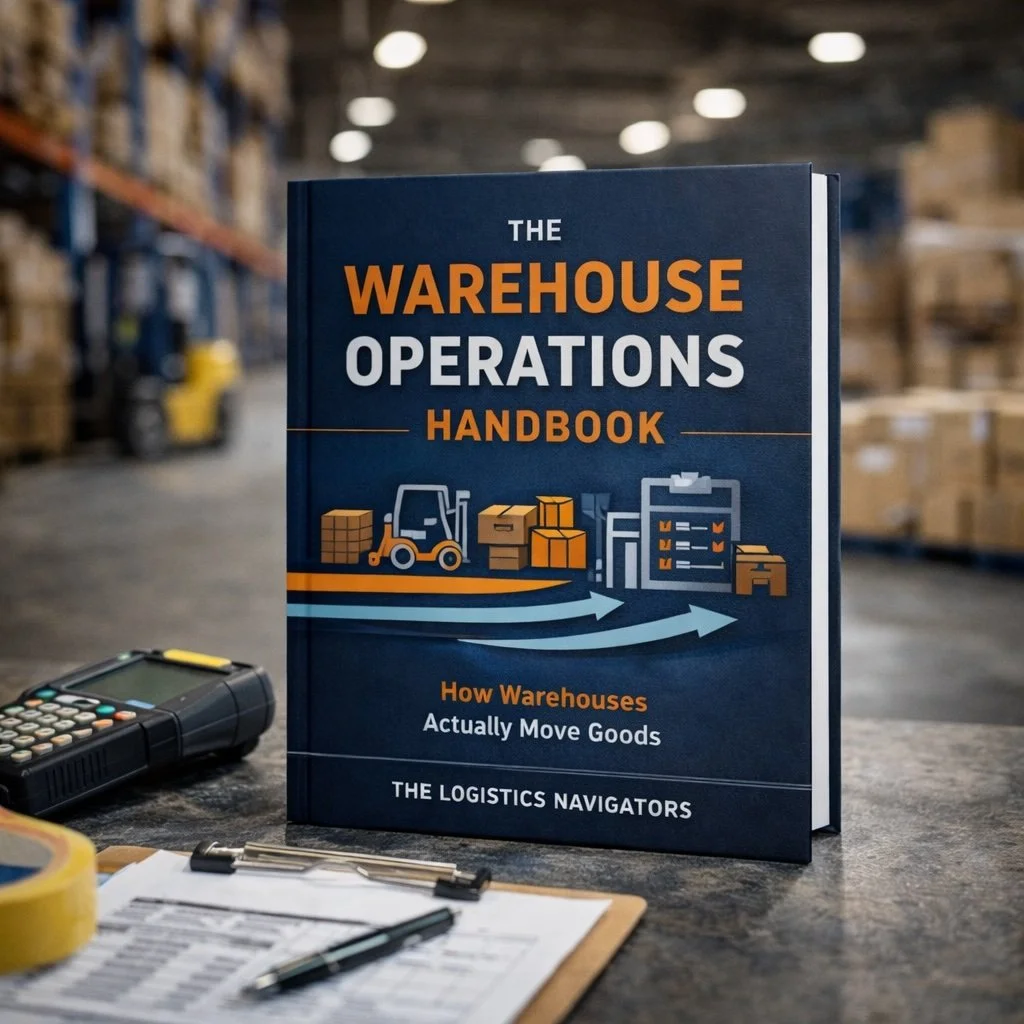
The Warehouse Operations Handbook is a practical, systems-level guide to how modern warehouses actually function.
This handbook goes beyond surface-level definitions and best practices. It explains the mechanics that drive cost, speed, accuracy, and stability inside warehouses, from inbound flow and inventory positioning to congestion, bottlenecks, and labor utilization.
Written for operators, managers, analysts, founders, and investors, the handbook treats the warehouse as an operating system rather than a storage space. Each concept is explained in depth, with a focus on cause-and-effect relationships, real-world execution behavior, and why common “fixes” often fail at scale.
Topics include inbound and outbound flow, inventory velocity, picking and packing dynamics, replenishment discipline, space utilization, throughput constraints, and operational failure modes. The content is structured to build intuition, not just vocabulary.
This is not a certification guide or a software manual. It is a reference and learning tool for people who want to understand why warehouses behave the way they do and how small decisions compound into large operational outcomes.
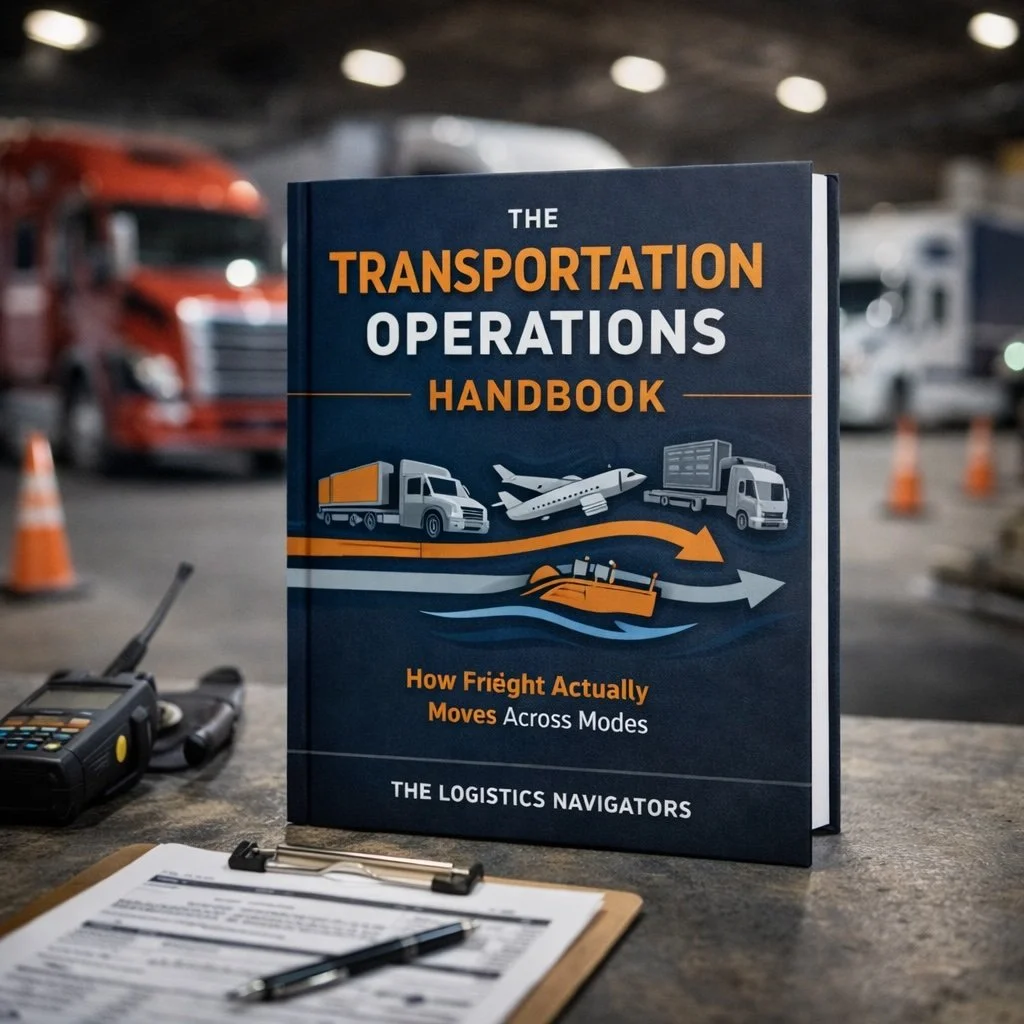
Transportation is the most fragile layer of the supply chain. Capacity expires by the hour. Small delays compound into missed cutoffs, lost driver hours, equipment shortages, and network-wide instability. Yet transportation is often managed transactionally rather than as an operating system.
The Transportation Operations Handbook is a practical, systems-focused reference that explains how freight actually moves day to day and why transportation networks break under pressure.
This handbook does not teach you how to book loads or negotiate rates. It explains the mechanics that drive transportation performance: time windows, capacity constraints, dwell behavior, lane balance, execution variability, and network design. Each concept is explored in depth, with a focus on how it behaves in real operations and how small decisions compound into large outcomes.
Written in a clear, analytical style, the handbook treats transportation as a system rather than a set of transactions. The goal is to build intuition, not memorization.
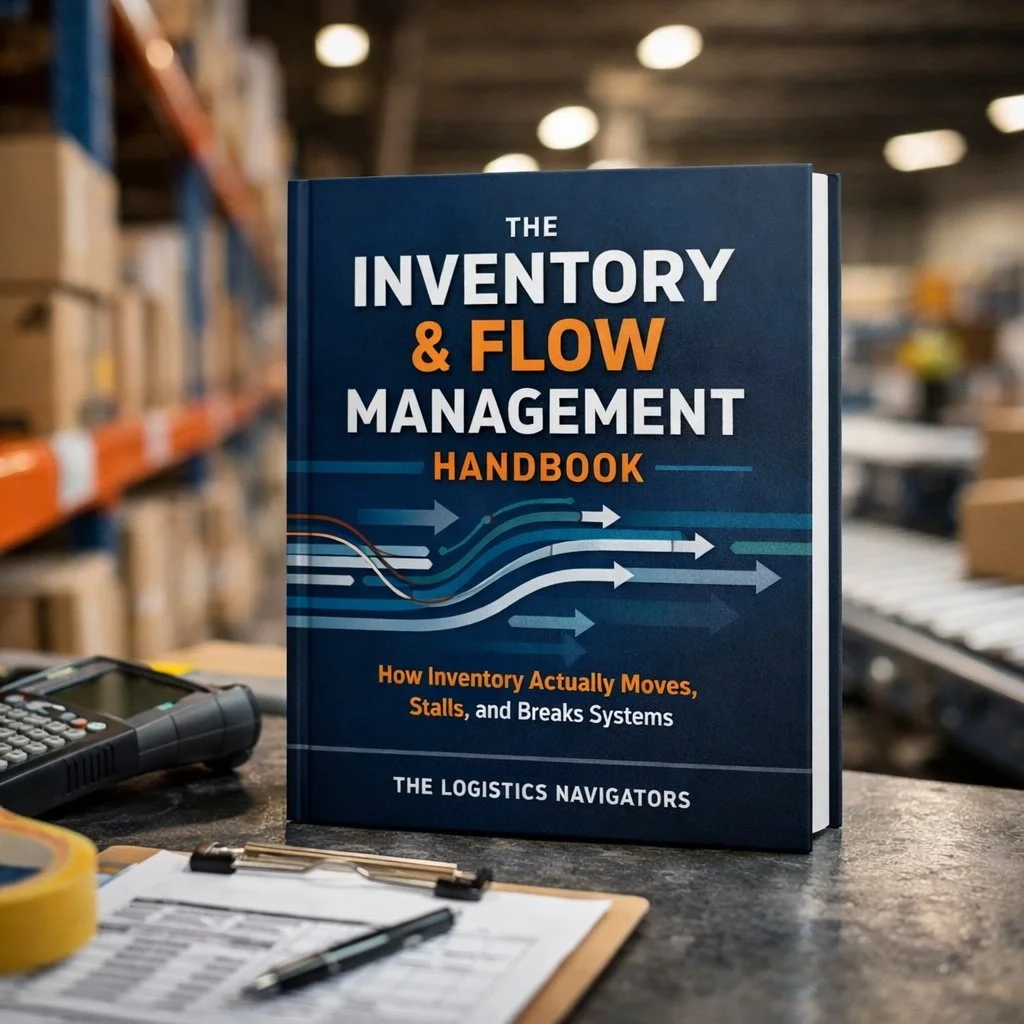
Inventory problems are rarely about quantity. They are about flow.
The Inventory & Flow Management Handbook explains how inventory actually behaves inside real operating systems, where variability, congestion, labor limits, and timing constraints shape outcomes far more than forecasts or formulas.
This handbook treats inventory as a moving system rather than a static asset. It explains why excess inventory often coexists with stockouts, how replenishment lag creates artificial shortages, and why adding inventory frequently slows operations instead of stabilizing them. Each concept is explored through the lens of execution, showing how inventory accumulates, ages, and stalls when flow breaks down.
Written as a long-form, alphabetically organized reference, the handbook focuses on underlying mechanics rather than tactics or tools. It is vendor-neutral, software-agnostic, and designed to be useful across warehouses, fulfillment centers, and multi-node networks.
This handbook is for operators, planners, leaders, and investors who need to understand why inventory systems fail under pressure and how flow discipline restores control.
No results match your search. Try removing a few filters.